
Zoom
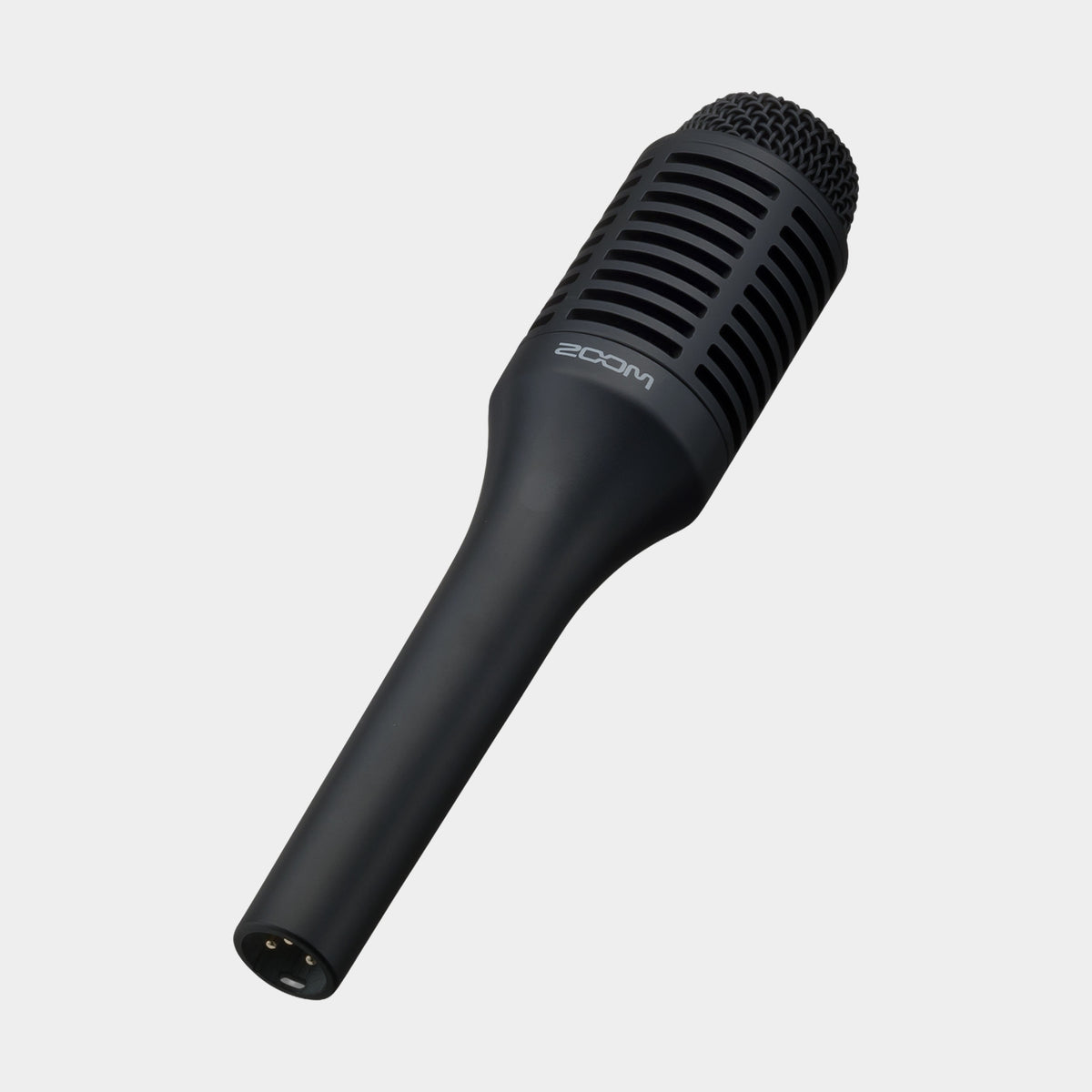
Zoom SGV-6 Vocal Mic for V3 and V6


Omni Capital Finance Calculator
Choose options
Omni Capital Finance Calculator
Omni Capital Finance Calculator
Product overview
The Zoom SGV-6 is a vocal microphone designed to help a voice processor hear more of the singer and less of the surrounding stage. Its directional three-element design is intended to work with Zoom's V3 and V6 vocal-processing systems, where a clear vocal input is important for effects and harmony behaviour. It is a useful choice for performers building a dedicated processed-vocal rig, especially when nearby instruments and loudspeakers would otherwise contribute too much sound to the microphone. The microphone captures the source; the connected processor provides the effects.
A focused input helps the whole vocal chain
A voice processor responds to the signal it receives. If that signal includes a large amount of drums, amplifiers or room sound, the processing may emphasise those distractions along with the singer. The SGV-6 uses a highly directional, supercardioid arrangement to concentrate pickup towards the intended vocal position. That can help provide a more useful source for the processor. It does not make the rest of the stage disappear, but it gives the performer a microphone approach designed around the needs of a vocal-effects setup rather than a general ambient recording task.
The three-element design has a specific purpose
The SGV-6 uses three microphone elements as part of its directional design. This should not be confused with three independent recording outputs or three harmony voices. The purpose is to shape the pickup behaviour of the microphone system. For the singer, the practical implication is that position matters: staying consistently within the intended pickup area helps keep the voice present and the processor's input stable. Before a performance, sing a representative passage while moving as you normally would and listen for changes in tone or level. Adjust the stand and technique so the microphone works with the performance.
Close, consistent technique remains valuable
A directional microphone rewards deliberate use. Keep an appropriate distance, aim the microphone consistently and avoid treating it as if it were capturing a whole room. Changes in distance can alter both the level and tonal balance of the voice, which then affects the compressor, harmony or other processing downstream. A good soundcheck includes quiet phrases, louder delivery and the actual stage monitoring arrangement. That is more useful than checking only a spoken word into the microphone before the instruments and loudspeakers are active.
Build the stage around the pickup pattern
Supercardioid pickup is directional, but it has a different rejection pattern from a simple cardioid microphone. Speaker and monitor placement should therefore be chosen by listening to the complete setup rather than assuming the very rear of the microphone is always the best place for a loud source. Start with sensible levels and add the vocal effects gradually. A clear source generally allows more controlled processing, while excessive stage spill can become more obvious when compression or ambience is applied. The microphone and stage layout work together as one recording and reinforcement system.
A dedicated choice for a processed vocal rig
The SGV-6 handles sound pressure levels up to 140dB SPL and uses an XLR connection. It is a microphone, not a recorder or standalone vocal processor, so it needs an appropriate connected system. Choose it when you are building around a compatible Zoom vocal processor and want a microphone designed for focused stage-vocal pickup. Its value lies in providing the processing chain with a more deliberate source, helping the effects support the singer's phrasing and character rather than react unnecessarily to everything else happening around the stage.
Product information
Essential details
- Warranty
- 1 Year